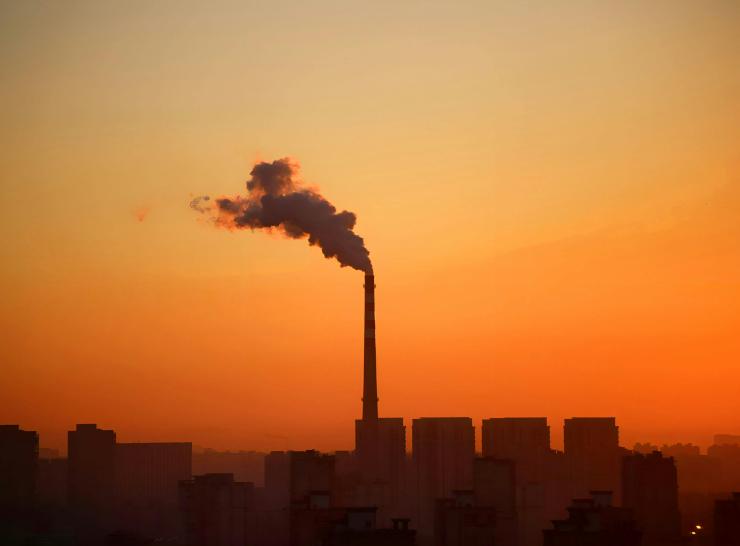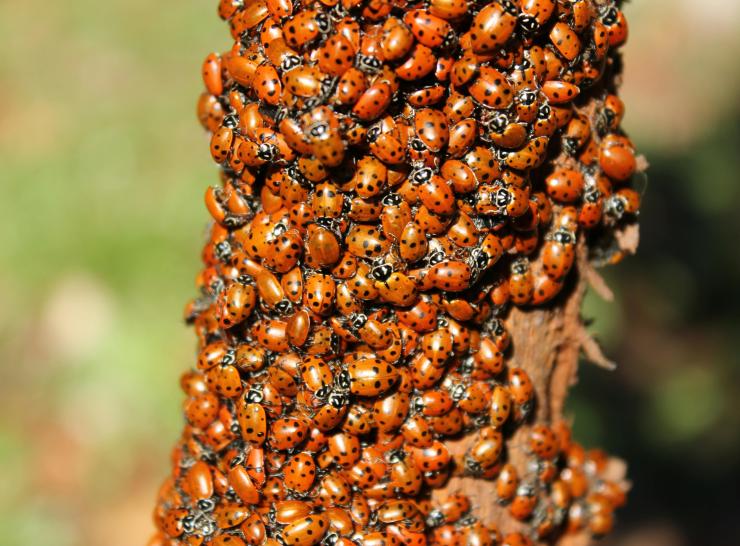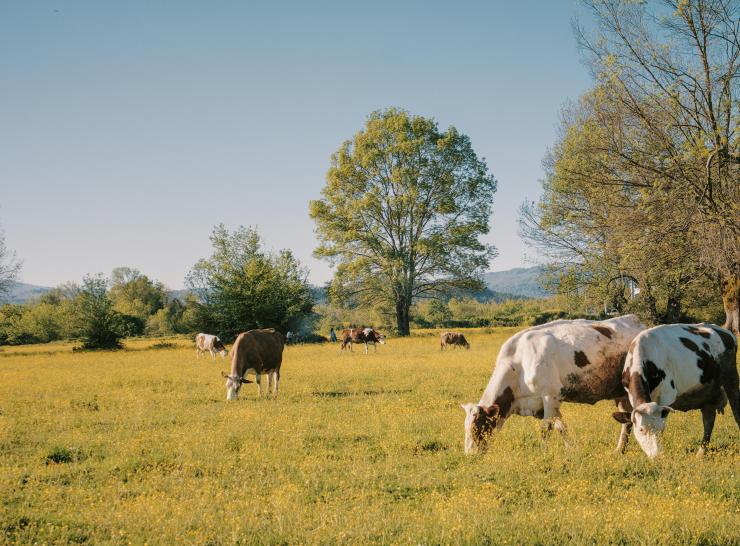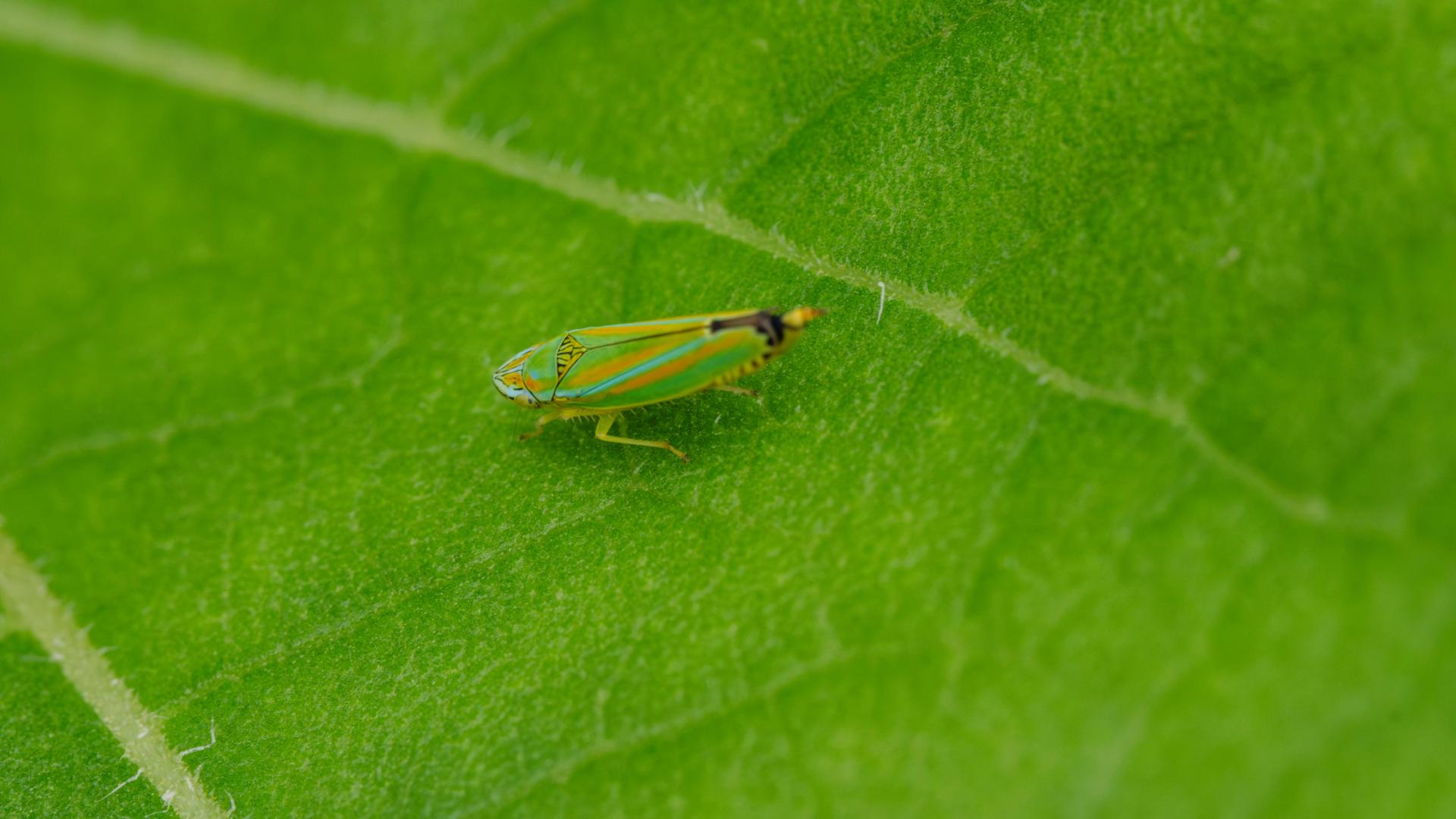
As part of Work Package 5, we have created impact record cards to bring together GLiTRS findings on four major anthropogenic threats to insect biodiversity: climate change, pollution, invasive alien species, and agriculture.
These cards present the evidence in a clear, accessible format, making it easier to understand the scale and nature of human-driven impacts. They are intended as entry points into a complex and rapidly developing field, but condensed summaries inevitably involve trade-offs, and we want to be transparent about them here.
A note before you keep reading:
Each record card draws on a selection of GLiTRS outputs and related literature to present the current state of evidence on a given threat. They are not systematic reviews, and they do not capture the full breadth or nuance of the underlying science. We have prioritised clarity and accessibility for non-specialist audiences, which means that some complexity has been simplified.
We encourage anyone wanting to act on, cite, or build upon this information to read the primary literature directly. References are provided throughout, with full citations at the bottom of each information sheet.
A few specific points of nuance are worth flagging upfront:
- Biodiversity change is not the same as biodiversity loss. Many of the threats discussed here drive shifts in community composition (i.e. which species are present and in what proportions) alongside outright changes in abundance (total insect numbers) or richness (the number of different insect species present). Climate change, for example, is associated with range expansions of southern species into higher latitudes, even as cold-adapted and range-restricted species are lost from their northern or upland habitats. The net result may be stable or even increasing species counts at some sites, but this might mask the loss of specialist species and the homogenisation of communities toward generalists. Species counts and species identity are not the same thing, and the latter is especially important for ecosystem function and resilience.
- Winners and losers exist within every threat category, and they do not cancel each other out. Some insect groups benefit (at least in the short term) from the conditions associated with agricultural intensification, pollution, climate warming, or biological invasion. Certain generalist species increase in intensively farmed landscapes, nutrient enrichment can increase food plant availability, and some invasive plants provide food to native pollinators. These positive effects are real, but they don’t offset the losses of more sensitive or specialist species, and communities dominated by generalists are less functionally diverse and less resilient to future change.
- The evidence base itself has biases. Most insect monitoring data comes from Europe and North America, both of which are historically highly modified landscapes where baselines are already depleted. Tropical regions, which are both highly diverse and under considerable threat, are severely under-represented. This means that the changes captured in available data are unlikely to be representative of global insect biodiversity change, and true losses may be substantially underestimated.
- Threats interact with one another. The record cards treat each threat separately for clarity, but in practice climate change, agriculture, pollution, and invasive species operate simultaneously, often producing greater combined impacts than any single driver alone.
These sheets are designed to communicate the scale and urgency of threats to insect biodiversity, and to make the case for action in policy, land management, and research investment. Urgency should not come at the cost of accuracy, and we would like readers to engage critically with this material rather than treat it as a definitive account.